Day 1
Arrive Queenstown
The journey begins in Queenstown, ringed by the peaks of the Southern Alps on the shores of Lake Wakatipu. Make your own way to the designated group hotel, where the first night of the expedition is spent ashore. In the evening an informal dinner brings together your fellow voyagers and members of the expedition team, a relaxed introduction to the adventure ahead.
Day 2
Port Bluff
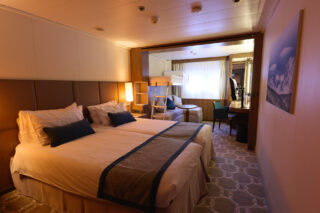
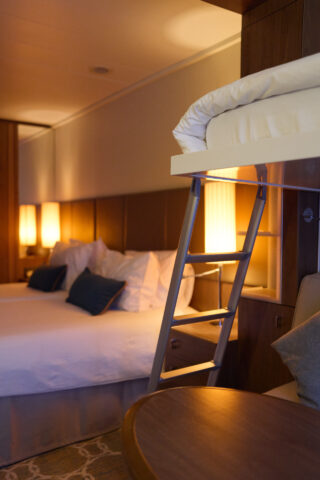
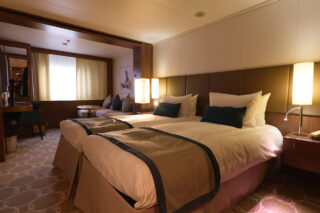
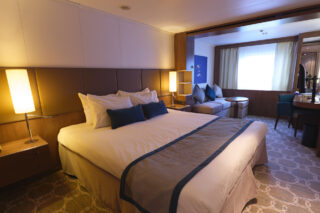
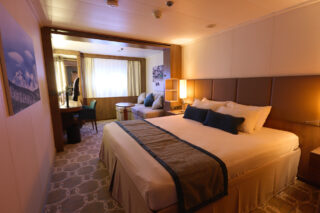
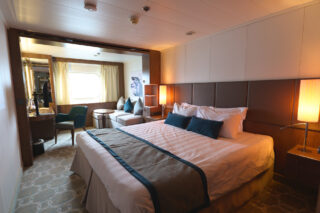
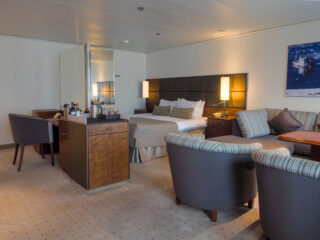
After breakfast the morning is yours to enjoy Queenstown before lunch at the hotel and the coach journey south to the Port of Bluff, where the ship lies waiting. Settle into your cabin, join the safety briefings, then find a spot in the observation lounge or up on deck as the lines are cast off. Course is set for The Snares, and the Southern Ocean leg of the voyage begins.
Day 3
The Snares, North East Island
Dawn reveals the nearest of New Zealand's Subantarctic islands, named for the hazard they posed to the sailing ships of the eighteenth century. These uninhabited nature reserves enjoy the highest level of protection and landings are not permitted, so exploration is by Zodiac along the sheltered eastern coastline, conditions allowing. North East Island alone is claimed to host more nesting seabirds than the whole of the British Isles. Watch for the endemic Snares Crested Penguin porpoising through the kelp, along with Snares Island Tomtit and Fernbird, while Cape Petrels and Antarctic Terns wheel overhead and hundreds of thousands of Sooty Shearwaters stream to and from their burrows. Around the turn of the year, Buller's Albatross return to their nests here.
Day 4
Auckland Islands, Enderby Island
The Auckland Islands were built by two volcanoes between ten and twenty five million years ago, then carved into today's archipelago by ice. Enderby Island, at its northern tip, is among the loveliest and most wildlife rich of all the Subantarctic islands, and one of the easiest to explore on foot. The plan is to land at Sandy Bay, one of only three breeding beaches of the rare New Zealand Sea Lion, where beachmaster bulls hold court over their harems. Cleared of introduced pests in 1994, the island is recovering superbly. A boardwalk crosses to the dramatic western cliffs, with longer and shorter walking options and plenty of time simply to sit with the wildlife. Likely encounters include Southern Royal Albatross, Northern Giant Petrel, Auckland Island Shag, the flightless Auckland Island Teal, Banded Dotterel, Tomtit, Bellbird, Pipit, Red crowned Parakeet, Yellow eyed Penguin and Light mantled Sooty Albatross, with a good chance of Subantarctic Snipe.
Day 5
At Sea
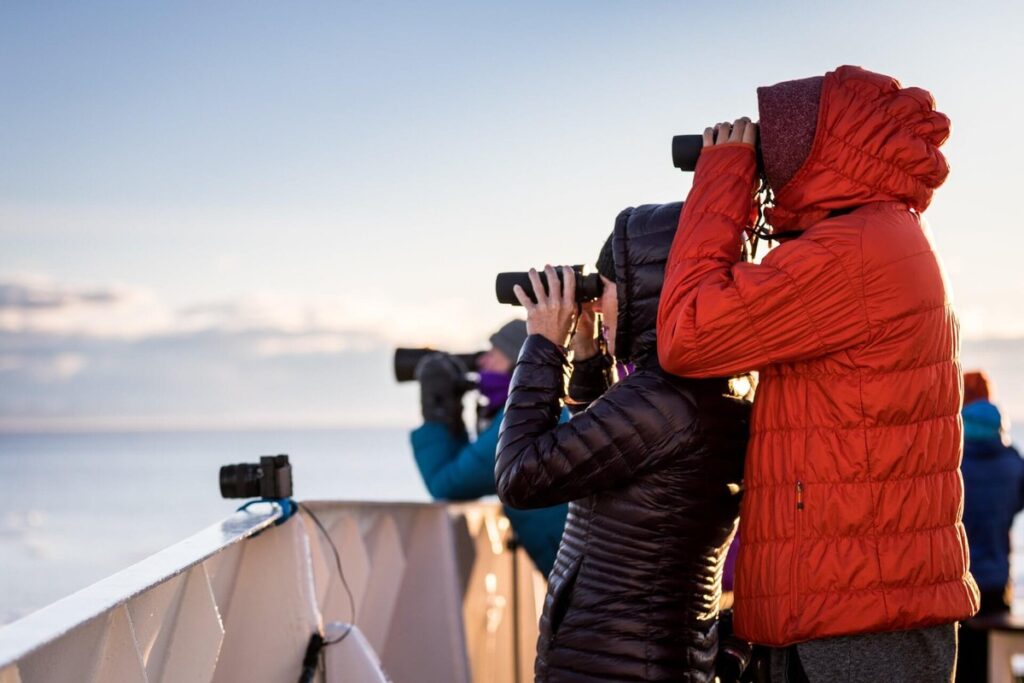
A full day in the Southern Ocean, with lectures and presentations on the biology and history of the Subantarctic islands. The birding from deck can be exceptional on this stretch: Wandering, Royal, Shy, White capped, Grey headed, Black browed and Light mantled Sooty Albatross are all possible, together with White chinned, Mottled, White headed and Cape Petrels, diving petrels, prions and storm petrels.
Days 6 to 7
Macquarie Island
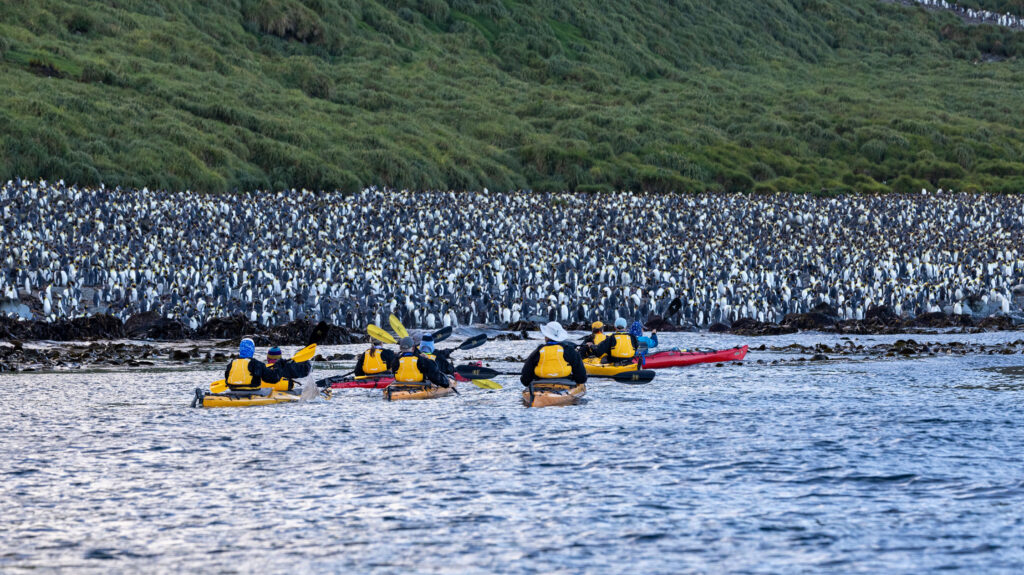
Australia's prized Subantarctic possession supports one of the greatest concentrations of wildlife in the Southern Ocean. Penguins of four species breed here in their millions: King, Gentoo, Rockhopper and the endemic Royal, whose entire world population of some three million birds nests on this single island. Two days are planned between the approved landing sites at Sandy Bay and Buckles Bay, with a Zodiac cruise off the vast King Penguin rookery at Lusitania Bay if conditions permit. At Sandy Bay the best approach is to stand still and let the penguins come to you; they are both fearless and endlessly curious. At Buckles Bay there is the prospect of a guided tour of the Australian research station, staffed continuously since the late 1940s, while Southern Elephant Seals slumber in moulting heaps along the beaches and young bulls spar in the shallows. Declared pest free in 2014 after an ambitious eradication programme, the island's plants and birds are flourishing again, joined by three species of fur seal and four species of albatross.
Days 8 to 10
At Sea
Three days of steady southing through the Southern Ocean, escorted by albatross and petrels. Lectures turn to Antarctica and the Ross Sea, and the falling water temperature signals the crossing of the Antarctic Convergence into cold, intensely productive Antarctic waters. The first icebergs drift past, each one a sculpture, and there is a celebration as the ship crosses the Antarctic Circle into the realm of round the clock daylight. Between times, the bar, the library and a backlog of photographs await.
Days 11 to 22
Antarctica's Ross Sea region
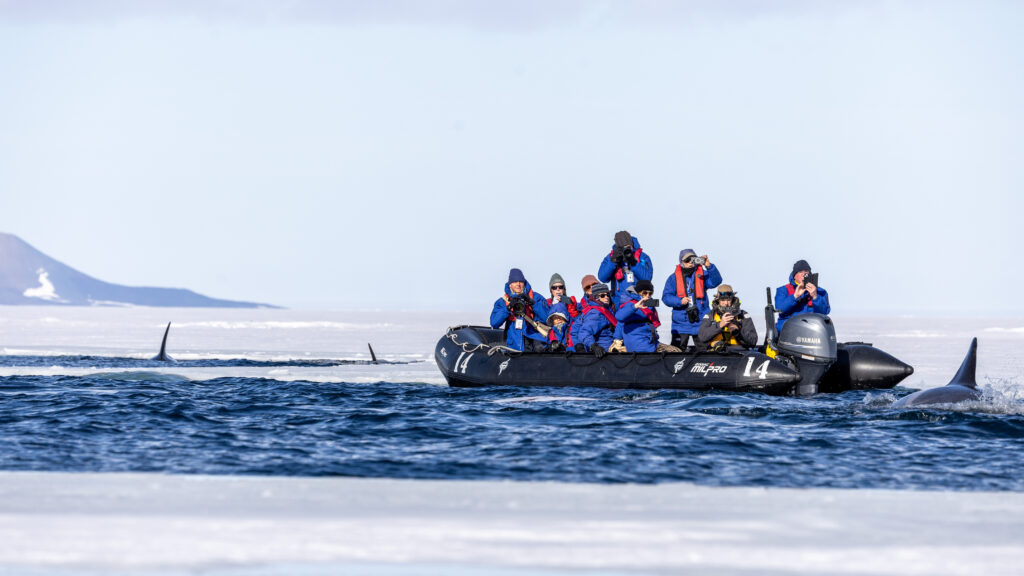
Twelve days are given to the most historic corner of Antarctica. Ice and weather set the agenda here, so there is no fixed day by day programme; instead the captain and expedition leader read conditions daily and seize every chance to land and to explore by Zodiac. The emphasis falls on wildlife, the great historic huts, working science stations and the extraordinary glacial landscape. Hoped for highlights include the following.
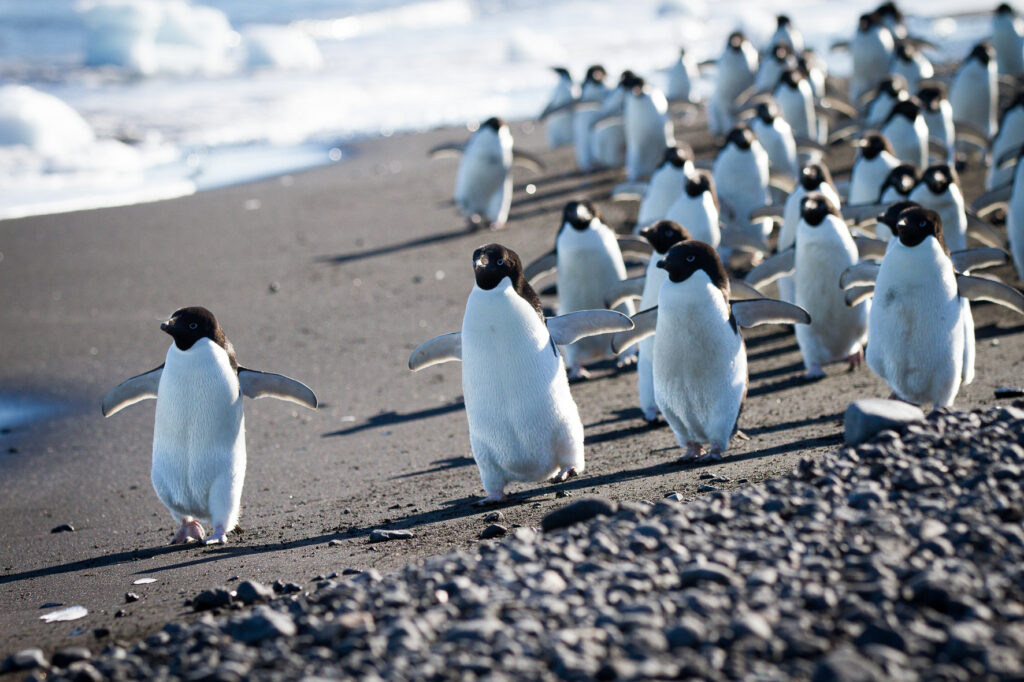
Cape Adare. The bold headland at the entrance to the Ross Sea shelters the largest Adelie Penguin rookery in Antarctica, more than a million birds at the height of summer, a sight and sound never forgotten. Standing among the throng is Borchgrevink's hut of 1899, the oldest building on the continent and the shelter of the first party ever to overwinter here. High on the ridge behind lies the grave of Nicolai Hansen, the first person buried in Antarctica.
Cape Hallett. The towering Admiralty Range, rising more than four thousand metres straight from the sea, announces this spectacular stretch of coast. The landing is beside the site of a former American and New Zealand research base, now returned to the Adelie Penguins and Weddell Seals.
Franklin Island. Deep in the Ross Sea, this rugged island holds a large Adelie Penguin colony and busy seabird cliffs. Weather permitting, the Zodiacs go in for a landing near the rookery and a cruise along the shore.
Possession Islands. Rarely visited and seldom mentioned on any map, these rocky islets off Cape Hallett host tens of thousands of Adelie Penguins on Foyn Island, with the Admiralty Mountains as a backdrop across the water.
Ross Ice Shelf. The largest body of floating ice on the planet, its thirty metre cliffs once formed an impassable barrier to the early explorers, and it still commands awe today. The ship cruises along the shelf front, where tabular icebergs calve away just 1,287 kilometres from the South Pole.
Ross Island. Beneath the smoking summit of Mount Erebus, 3,794 metres high, lies the densest cluster of heroic age history in Antarctica. At Cape Royds stands Shackleton's hut from the Nimrod expedition of 1907 to 1909, neighboured by the world's southernmost penguin rookery. At Cape Evans, Scott's hut of 1911, beautifully preserved by the Antarctic Heritage Trust, holds the living quarters of Scott, Wilson and Ponting almost exactly as they left them. At Cape Bird, New Zealand scientists study the region's wildlife, including a large Adelie colony.
McMurdo Station and Scott Base. Visits to these modern research stations, and to Scott's Discovery hut nearby, are always on the wish list, although sea ice and national programme operations sometimes intervene, particularly in January. The February voyage generally has more success, though nothing is guaranteed.
Terra Nova Bay. Italy's Mario Zucchelli Station is a fascinating summer research settlement whose staff are famously hospitable and claim, with some justice, the best espresso on the continent. Nearby stand Germany's occasional Gondwana Station, South Korea's Jang Bogo and, on Inexpressible Island, China's Qinling Station.
Days 23 to 25
At Sea
The long passage north to Campbell Island brings a fresh round of lectures, more superb pelagic birding, and time to rest and absorb what has passed.
Day 26
Campbell Island, Perseverance Harbour
New Zealand's southernmost territory lies some 660 kilometres south of Bluff, and the ship anchors in Perseverance Harbour, a long inlet that occasionally shelters calving Southern Right Whales. A day of walking explores this magnificent island of rugged hills, unique flora and abundant wildlife, past the abandoned meteorological station to the hilltop nesting grounds of the Southern Royal Albatross, more than six thousand pairs of which breed here. Watching these enormous birds display at arm's length is among the great wildlife experiences of the Southern Hemisphere. Campbell Island Shags, penguins, fur seals and New Zealand Sea Lions complete the picture.
Day 27
At Sea
A final day at sea en route to the Port of Bluff, with the expedition team on hand for questions, a recap of the voyage's highlights and a farewell dinner as the ship sails for home.
Day 28
Port of Bluff, Invercargill or Queenstown
The ship berths at the Port of Bluff early in the morning. After a last breakfast and customs formalities, complimentary coach transfers run to Invercargill and Queenstown airports. Allow for the unexpected: onward travel should not be booked before midday from Invercargill or 3pm from Queenstown. As on any true expedition, the itinerary throughout the voyage may vary with weather, ice and the opportunities they bring; landings in the Subantarctic islands are by government permit and no landings are made at The Snares.




 Depart