Which is right for you?
Ross Sea or Antarctic Peninsula?
Antarctica from the East or West: Comparing Voyages from Australia/New Zealand and South America
When planning a journey to Antarctica, one of the most significant decisions is choosing the right voyage — a choice shaped by where you travel, how you get there, and the kind of experience you wish to have. Are you drawn to rich wildlife encounters or the allure of untouched solitude? Do you value shorter travel times, or are you intrigued by the challenge and depth of a longer, more remote expedition? Is this your first time heading south — or are you returning to explore a lesser-known path?
For many, the Antarctic Peninsula is the natural starting point, reached via South America. But there is another, far less travelled route: the Ross Sea and East Antarctica, accessed from Australia or New Zealand. Both offer extraordinary encounters with the White Continent — yet differ significantly in pace, character, and focus. Here’s how they compare, to help you find the journey that’s right for you.

The Antarctic Peninsula
Departing from South America
Access & Travel Time
Most voyages to the Antarctic Peninsula depart from Ushuaia, Argentina, with some fly-cruise options departing from Punta Arenas, Chile. Trips to the Peninsula are typically shorter, ranging from 10 to 14 days, and involve crossing the Drake Passage — a two-day sea journey each way (or a two-hour flight, on fly-cruise itineraries).
Wildlife & Scenery
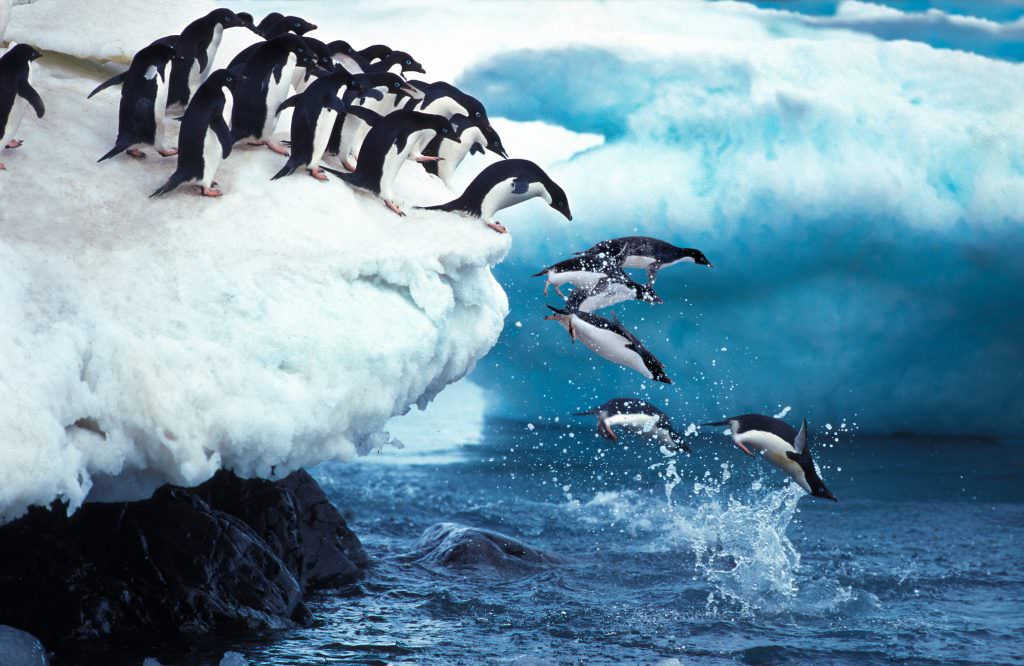
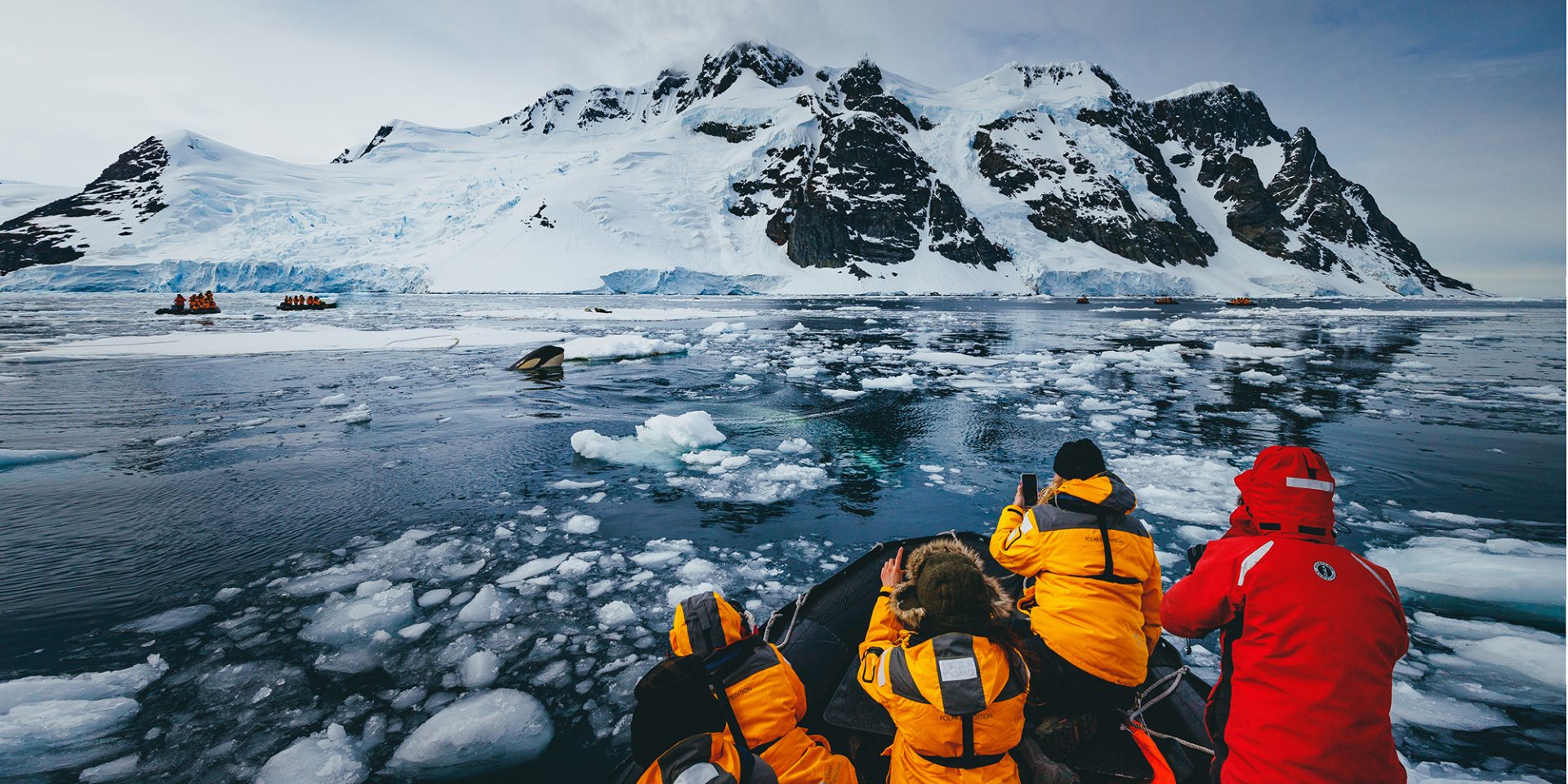
The Peninsula offers some of the most accessible wildlife encounters on the icy continent. Large colonies of gentoo, chinstrap, and Adélie penguins are readily reached by Zodiac, often within short distances of the ship. Seals haul out on ice floes, whales feed close to shore, and seabirds soar above — all in a relatively concentrated area. For photographers and wildlife enthusiasts, the abundance and proximity of these animals make the Peninsula a rewarding destination.
Voyage Style
These expeditions balance off-ship exploration with comfort. Ships range from lux discovery yachts to nimble expedition vessels, and the relatively short travel times make this route popular for first-time visitors.
Best for:
Travellers seeking rich and easily accessible wildlife encounters, striking landscapes, and a more manageable voyage duration.
The Ross Sea & East Antarctica — Departing from Australia or New Zealand
Access & Travel Time
Departing from Hobart or Invercargill (and occasionally Dunedin), voyages to the Ross Sea are true expeditions. These trips are longer, typically 25 to 30 days, due to the vast distances and time spent crossing the Southern Ocean. Expect to spend around 5 days on the ship before reaching the Antarctic coast, which is part of the experience for many travellers drawn to the sense of journey.
Because of the extended time at sea, the choice of ship becomes especially important. Some travellers prioritise additional onboard comfort and amenities — such as lounges, wellness facilities, or upgraded cabins — to make the journey more enjoyable. Others may lean toward ships with a strong educational focus, choosing those that offer a rich program of lectures, workshops, and opportunities to engage with historians, scientists, and naturalists throughout the voyage.
Wildlife & Scenery
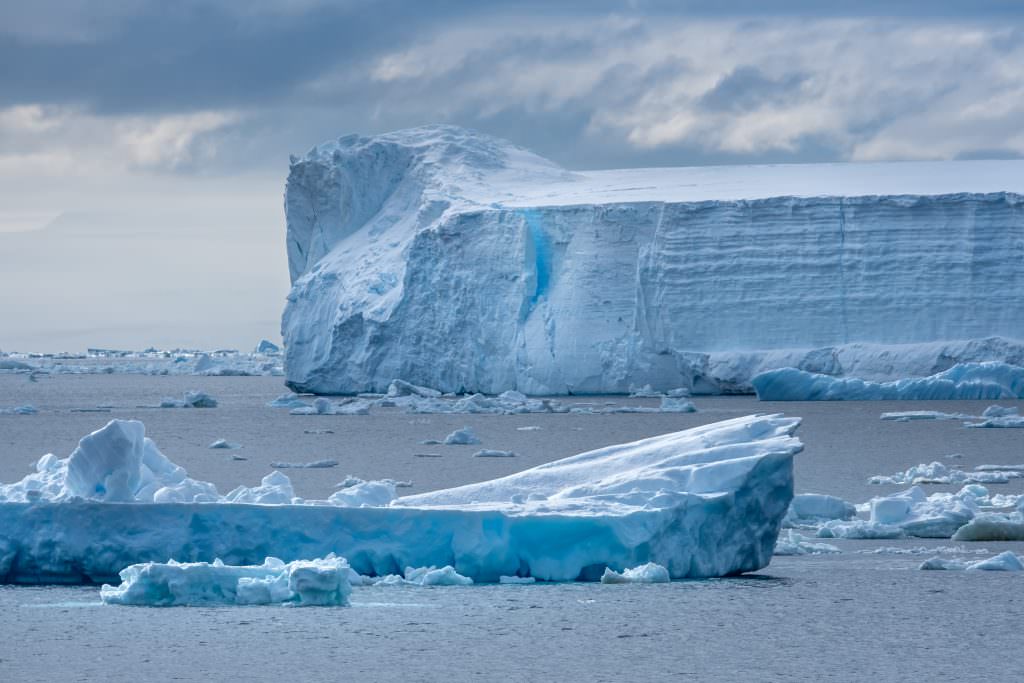
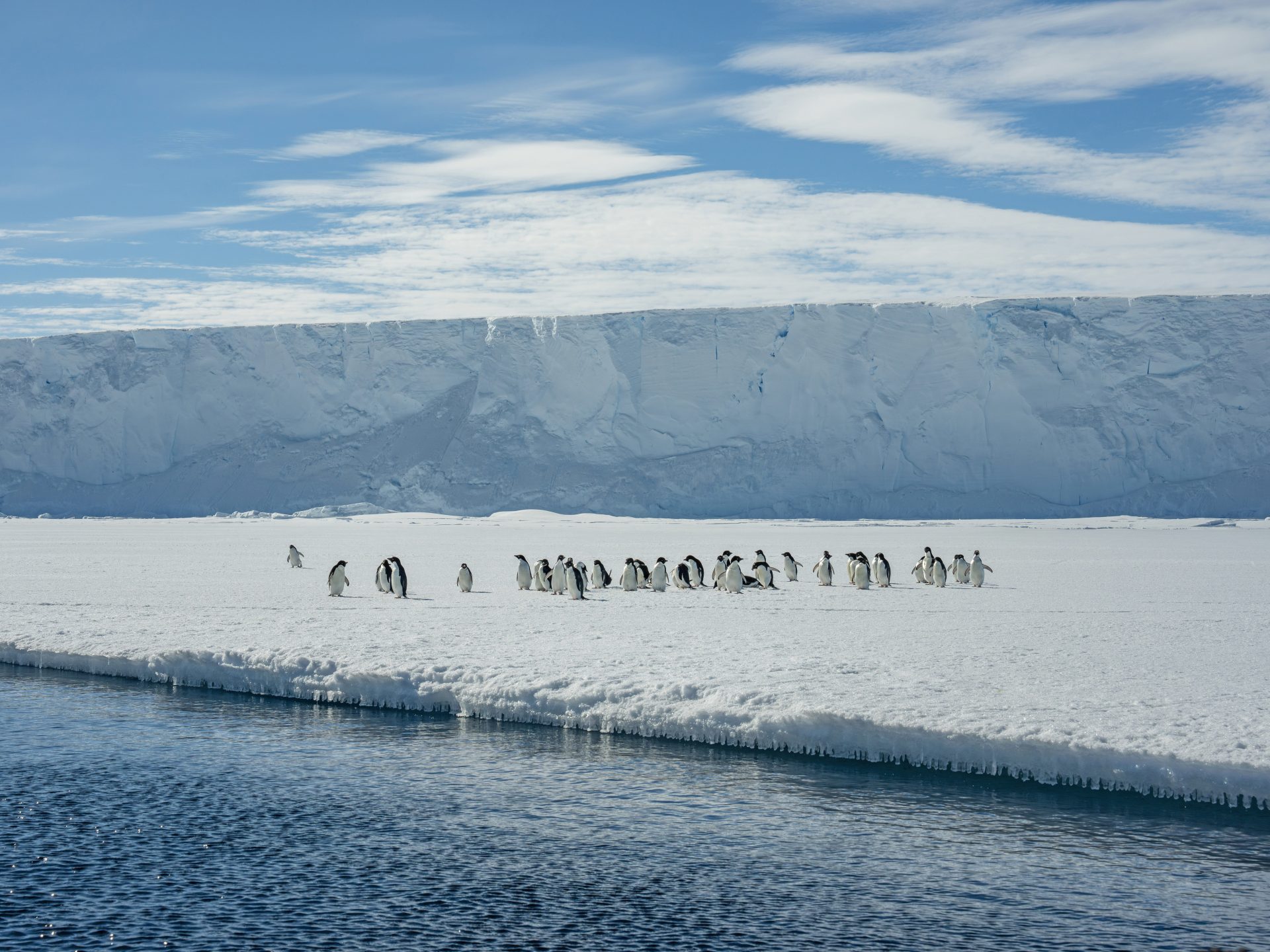
Wildlife in the Ross Sea is more sparse and spread across vast, remote landscapes. While encounters can be extraordinary, especially sightings of emperor penguins and weddell seals, wildlife tends to be less concentrated than in the Peninsula. The scenery is raw and monumental, dominated by enormous tabular icebergs and immense ice shelves.
Historical Significance
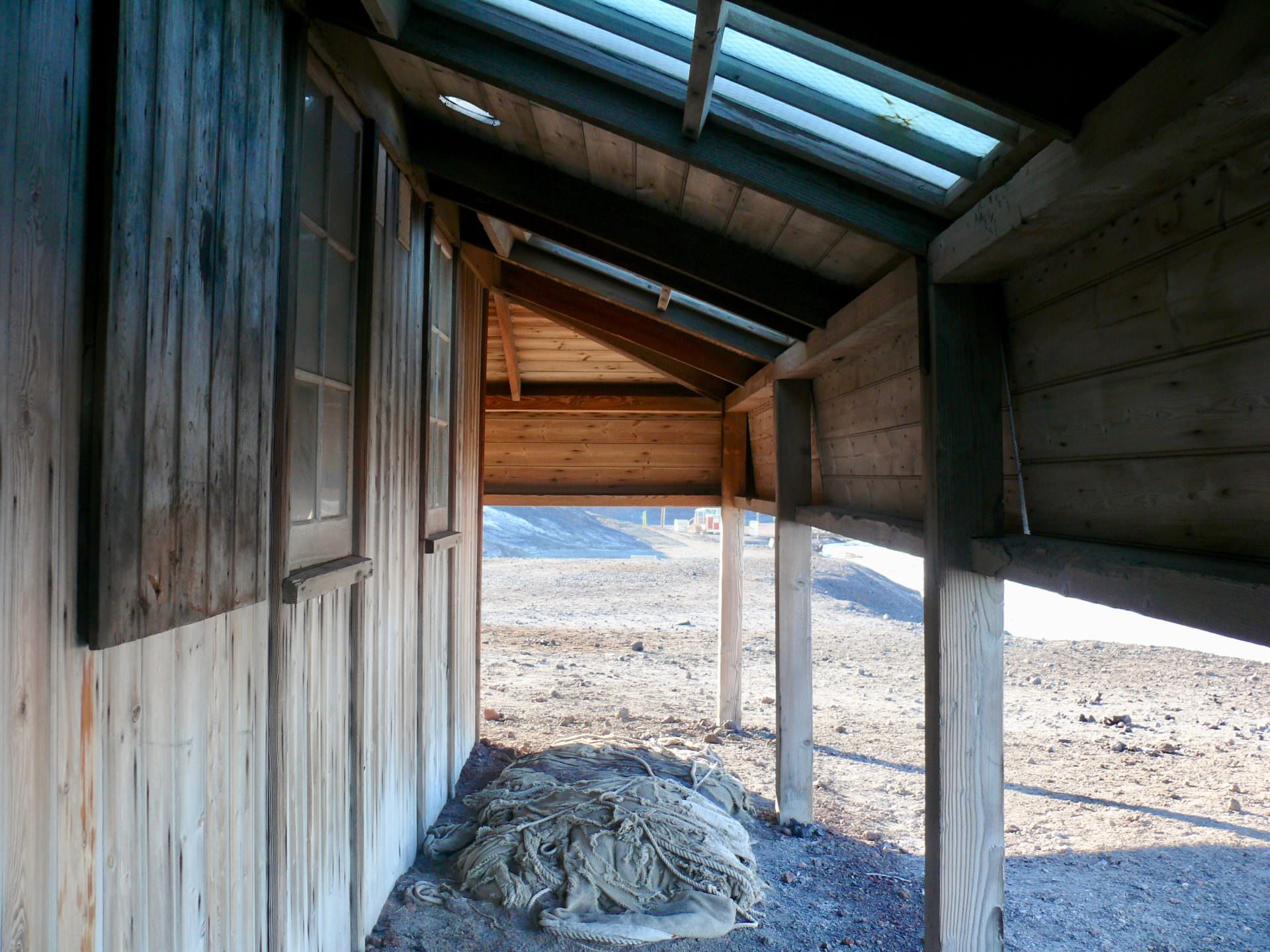
This region is steeped in the legacy of the Heroic Age of Antarctic Exploration. Visits to the preserved huts of Scott and Shackleton offer a powerful connection to early expeditions. The sense of remoteness and history is profound, and many travellers come for this very reason.
Voyage Style
Ross Sea voyages are expeditionary in the truest sense. Weather and ice conditions play a major role in shaping each day, and flexibility is essential. Ships are generally more robust, designed for deep polar navigation.
Best for
Adventurous travellers, history enthusiasts, and those seeking solitude, remoteness, and a deeper understanding of Antarctica’s past.
Which Voyage Is Right for You?
If you’re seeking a journey that combines active exploration, dense wildlife encounters, and a manageable travel time, the Antarctic Peninsula is a natural fit. It’s ideal for first-time visitors and offers a dynamic mix of activity and comfort.
If, however, you’re drawn to the road less travelled, with an interest in polar history, vast ice landscapes, and the rhythm of a longer sea voyage, the Ross Sea may offer the depth and remoteness you’re looking for.
Both experiences are exceptional in their own right. It comes down to what kind of encounter with Antarctica you’re seeking: the accessible grandeur of the Peninsula or the storied, distant wilderness of East Antarctica.
To explore your options and find the journey that matches your travel style and interests, speak to our team at Polar Frontiers on 03 9640 0622 or contact us below.