East Greenland: Where Icebergs and Inuit Culture Meet
Discover GreenlandExtreme, jagged fjords carved by ice meet quiet, enduring communities where Inuit culture remains strong on Greenlands eastern shores. Massive icebergs drift through glassy waters, their silence matched by the calm presence of village life. It is remote, even by polar standards, yet for those who journey here, East Greenland offers a rare meeting point between dramatic wilderness and human resilience.
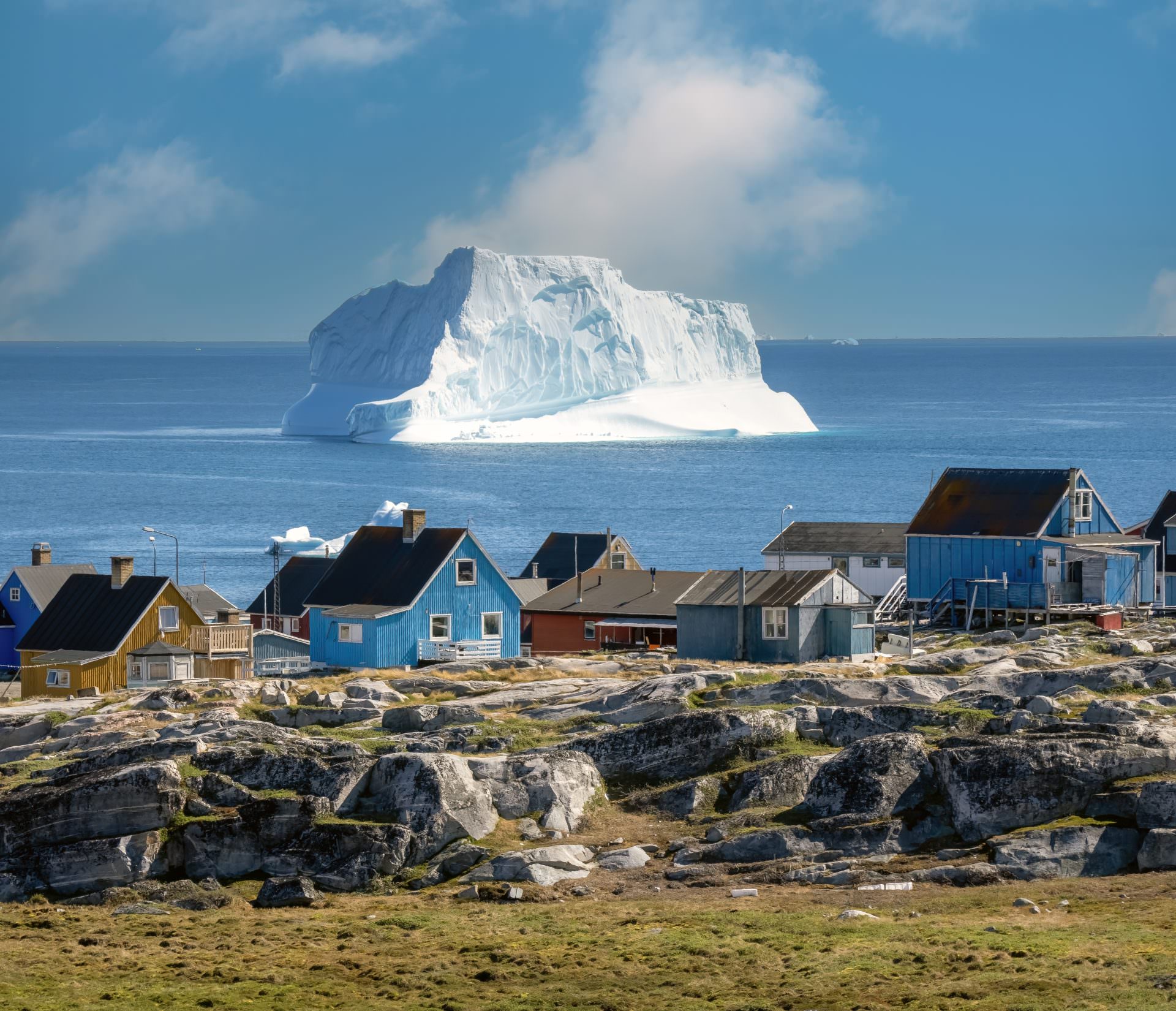
Most expedition ships reach Greenland’s east coast via Scoresby Sund, the world’s largest fjord system. These voyages often begin in Svalbard or Iceland, crossing the Greenland Sea before entering a landscape where ice and rock dominate. The fjords cut deep into the mountains, and the icebergs here are immense, shaped deep within the Greenland ice sheet and gradually sculpted by wind, tide, and time as they journey to the sea.
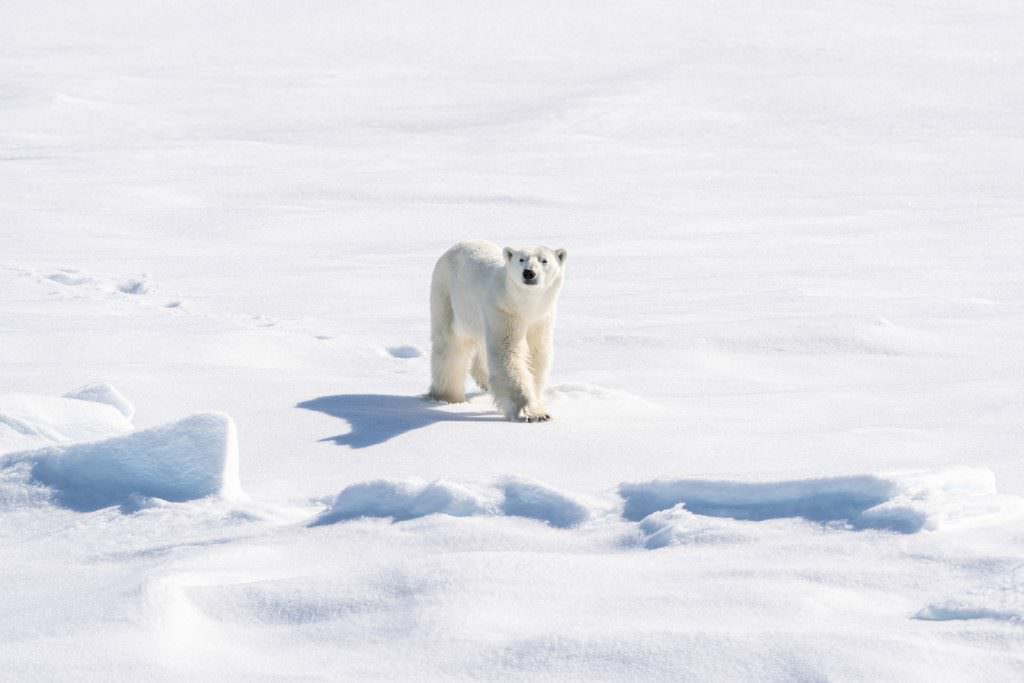
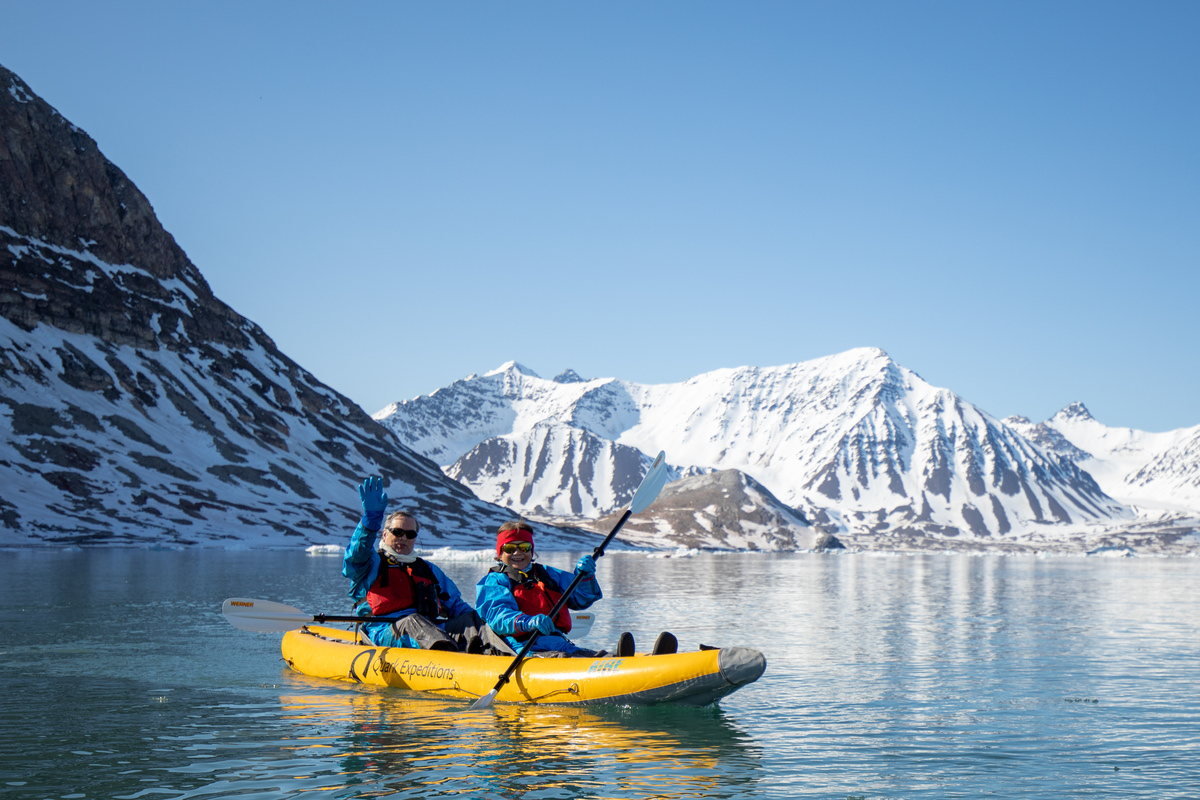
Sailing through these waters feels otherworldly. Zodiacs take guests along glacier faces and beneath cliffs teeming with seabirds. The stillness is immense, broken only by the soft crackle of brash ice or the breath of a passing whale.
However East Greenland isn’t empty. It’s quietly alive.
A cultural presence in the vastness
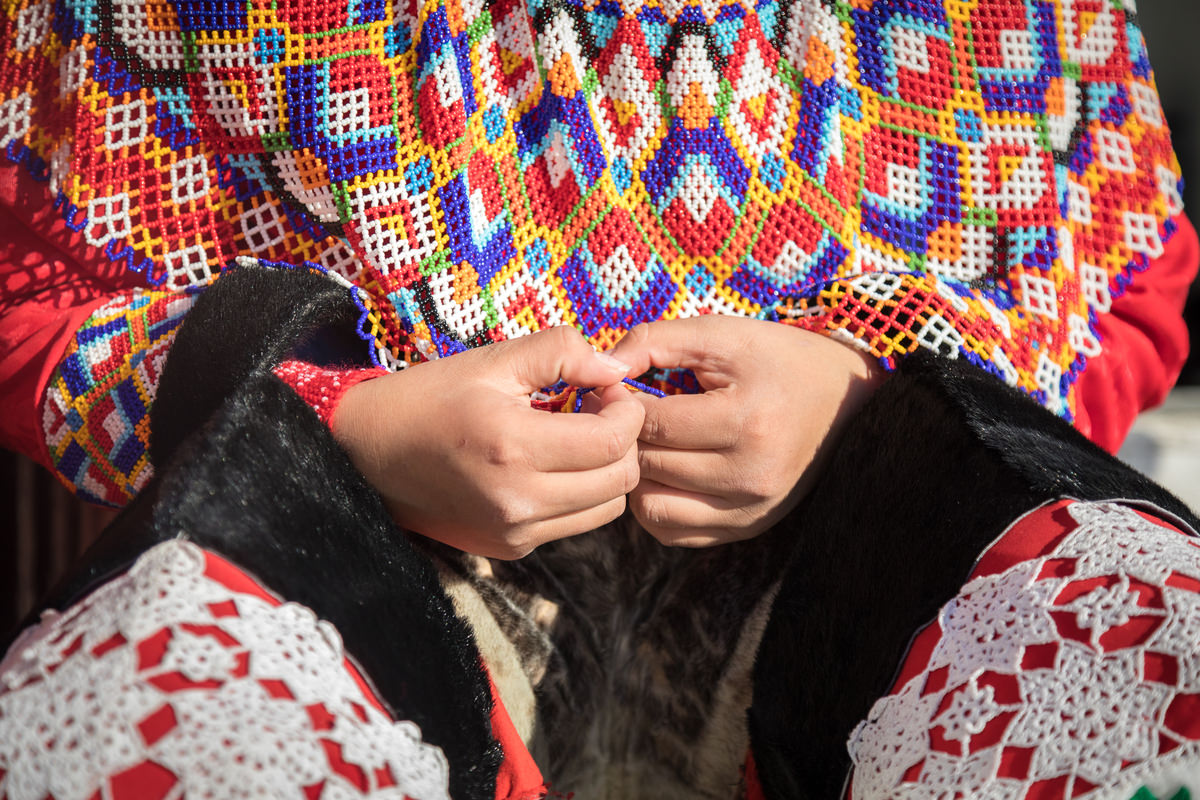
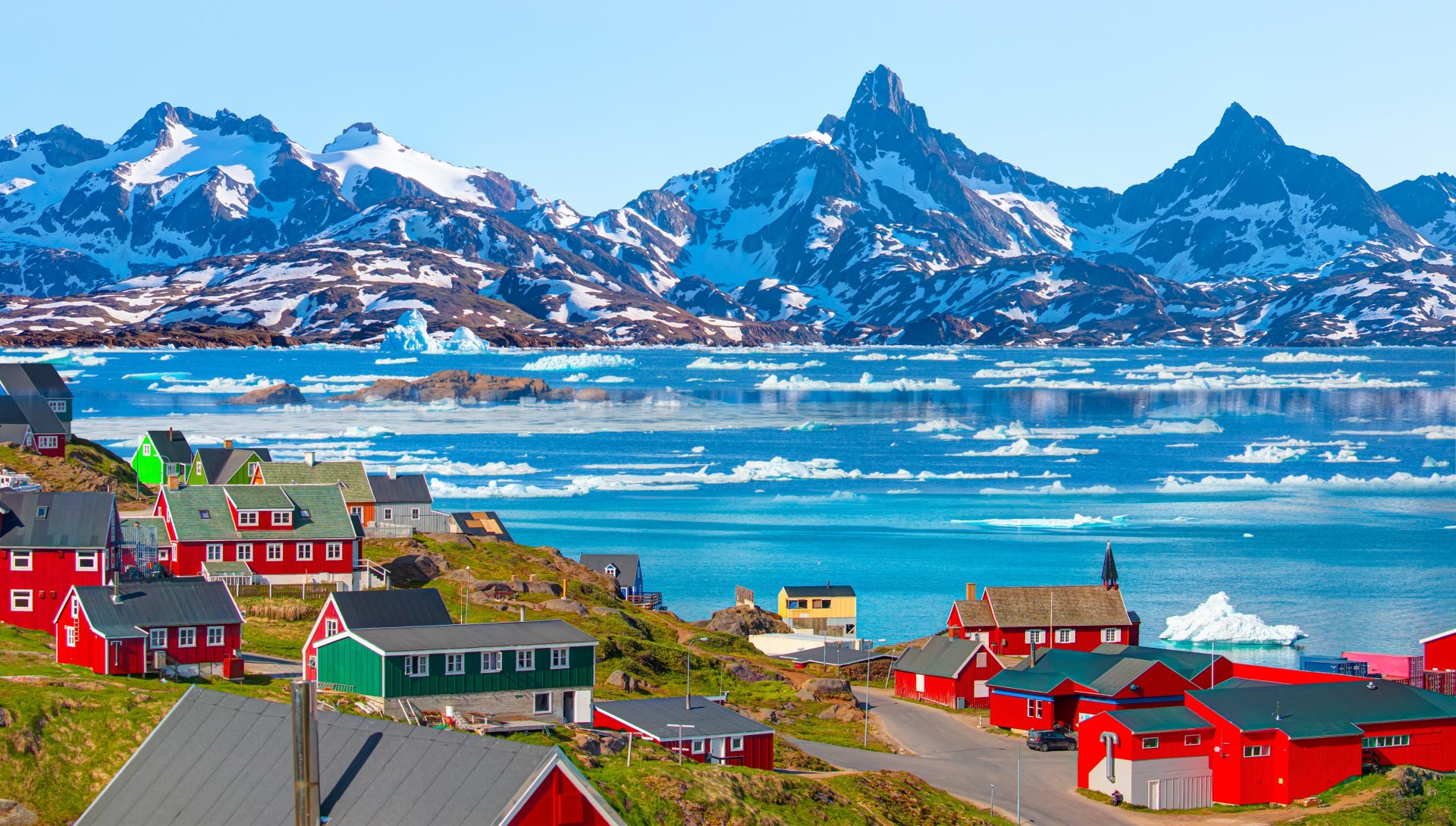
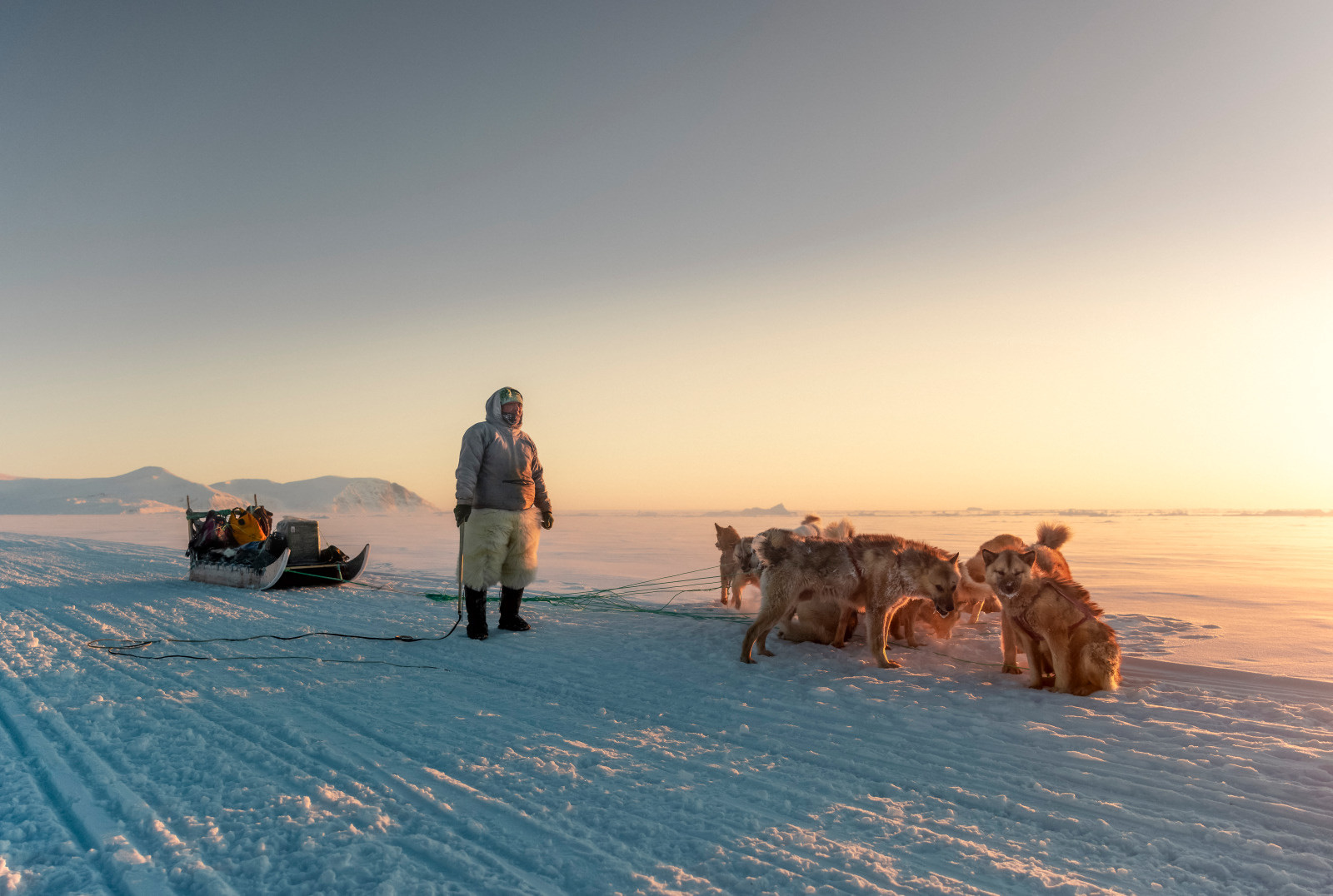
At the heart of this coast are the people who live here, primarily Inuit communities such as those in Ittoqqortoormiit, one of the most remote settlements in the world. Life in East Greenland is shaped by isolation, but not defined by it. Traditions are strong: hunting and fishing continue as they have for generations, and local crafts, from sealskin clothing to bone carvings, reflect a deep relationship with the environment.
Visits to these communities are respectful and eye-opening. Guests may be welcomed with cultural demonstrations, or invited to view traditional homes and local schools. The pace is unhurried, the hospitality warm. What stands out is not performance, but pride, in heritage, in resilience, and in a way of life attuned to this land.
Expedition teams often include cultural interpreters to provide context, not just about history, but about present day challenges. Climate change, migration, and shifting sea ice all play roles in daily life here. These are not abstract issues. They’re lived realities, shared with quiet candour and insight.

Ice, and its teachings
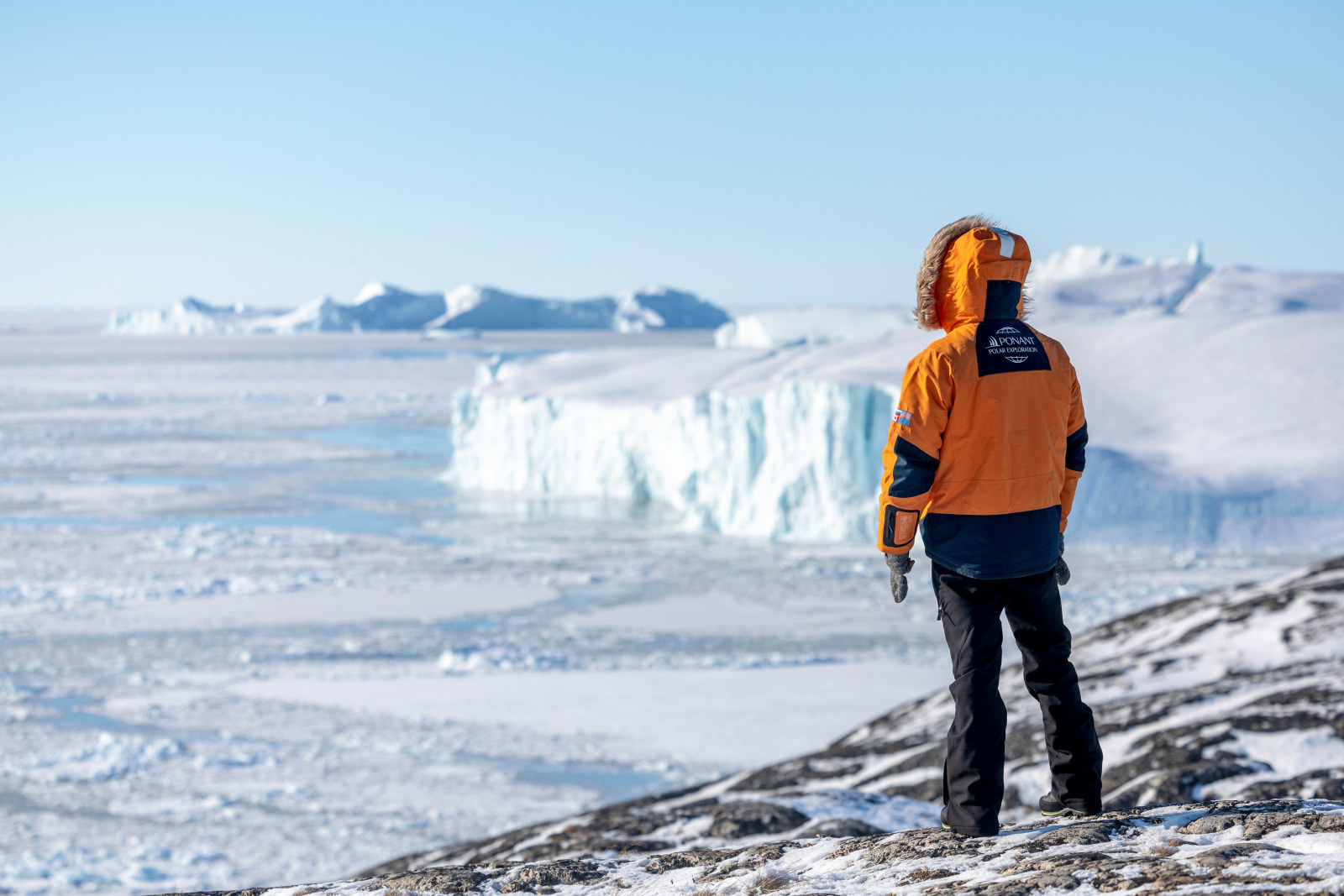
Greenland’s east coast is one of the most visually dramatic ice environments on Earth. Vast tabular bergs float down from glaciers, their size almost beyond comprehension. Some are brilliant white; others glow with ancient blue. The interplay of light, ice, and landscape is constantly shifting, especially in late summer, when low sun angles transform each bay into a gallery of colour and form.
But this beauty comes with urgency. Greenland’s ice sheet is melting faster than ever before, and the icebergs here are part of that story. Experts explain the processes at work, the role of warming seas, the feedback loops between ice and albedo, the cascading effect of glacial retreat. These conversations don’t dampen the experience. They deepen it.
Many ships also offer opportunities to participate in citizen science, collecting data on sea ice conditions, water temperature, or wildlife sightings, making the voyage not just meaningful, but contributory.
A place apart
East Greenland doesn’t try to impress. It doesn’t need to. It reveals itself slowly, in the crack of an iceberg, in the smile of a local elder, in the stillness that seems to hang between glacier and sea.
It’s not just a destination. It’s a dialogue, between land and people, between history and change, between the world as it is, and the world we want to preserve.